
Key Takeaways
Preventive maintenance software reduces repeat repairs by automating maintenance schedules.
Scheduled servicing of assets like lifts and HVAC systems can prevent breakdowns and prolong asset lifespan.
Using software to track maintenance history helps identify recurring issues for proactive resolutions.
Investing in preventive maintenance software enhances resident satisfaction and reduces overall property maintenance costs.
Key Answer
Preventive maintenance software reduces repeat repairs by automating schedules, tracking asset histories, and ensuring timely servicing, which prevents costly breakdowns.
If you’re managing strata properties in Australia, you know all too well how repeat repairs can drain resources, irritate residents, and shorten the lifespan of valuable assets. How can you transform these challenges into opportunities? The answer lies in preventive maintenance software, a tool that helps streamline operations and reduce repeat repairs through meticulous planning and execution.
Why Repeat Repairs Keep Happening in Strata Properties
Repeat repairs are a common headache for strata managers and often stem from an over-reliance on reactive maintenance. This approach means issues are only addressed once they’ve escalated into emergencies, leading to frequent fixes that eat away at maintenance budgets. Moreover, such delays often cause additional wear and tear on building assets, which can escalate into larger, more costly problems over time.
For example, consider the lifts in a multi-storey building. Without a preventive maintenance plan, any malfunction could result in not just higher repair costs but also inconvenience to residents. Frequent lift breakdowns can lead to dissatisfaction, affecting property value and reputation.
What Preventive Maintenance Software Does
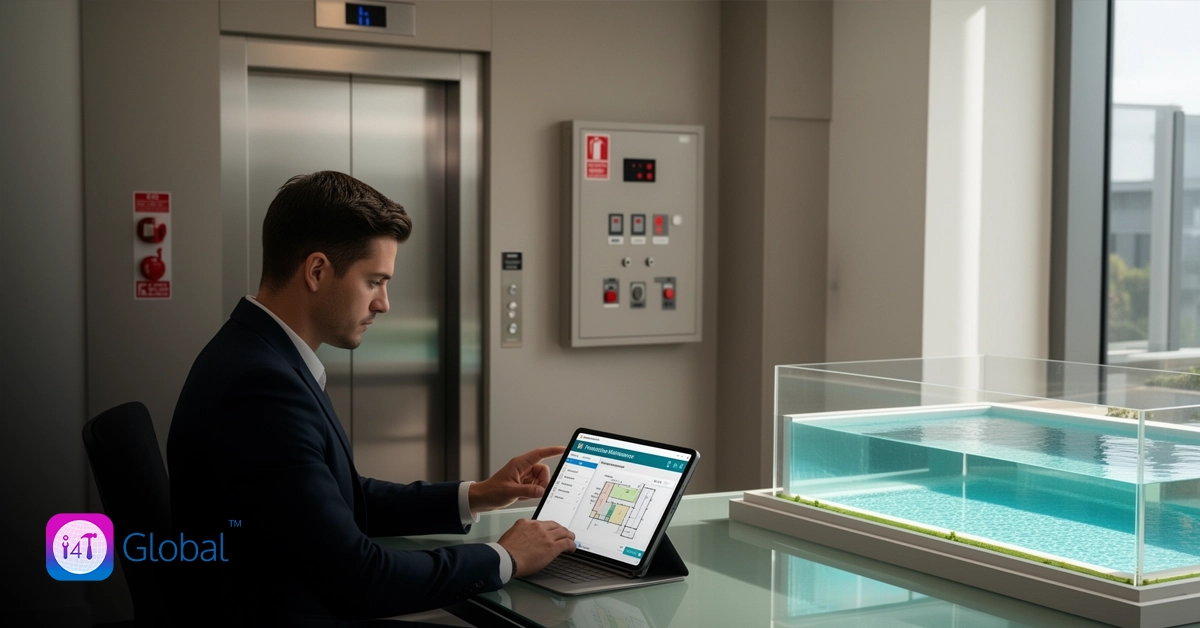
Preventive maintenance software serves as a comprehensive platform for managing and optimising maintenance activities within strata properties. It helps schedule regular servicing of critical assets like HVAC systems, fire alarms, and pools to ensure they are always in top condition.
The software automates work orders and tracks asset histories, giving you a clear view of what has been serviced, when, and by whom. This allows you to efficiently allocate resources and prioritise tasks, reducing the likelihood of equipment failure and the accompanying high costs.
How Scheduled Maintenance Prevents Repeat Repairs
Scheduled maintenance is at the heart of any effective preventive strategy. By planning maintenance tasks before issues arise, you can significantly reduce the occurrence of repeat repairs. For instance, regular inspection of plumbing systems can prevent leaks that might otherwise cause significant damage if left unchecked.
The use of preventive maintenance software ensures that these schedules are adhered to, with alerts and reminders sent to the responsible personnel. This systematic approach not only minimises downtime but also maximises the efficiency and lifespan of the assets, keeping residents happy and reducing overall expenditure.
Building Assets That Benefit Most from Preventive Maintenance
In strata properties, various assets stand to gain from preventive maintenance. Lifts, for example, are crucial for daily operations and resident convenience. Regular servicing can prevent unexpected breakdowns and ensure compliance with Australian safety standards. Fire systems are another critical area where maintenance is non-negotiable to safeguard lives and property.
Likewise, HVAC systems and electrical assets require consistent checks to optimise performance and energy efficiency. Pools and common areas, when maintained regularly, enhance aesthetic appeal and resident satisfaction.
Asset | Benefits of Preventive Maintenance |
|---|---|
Lifts | Prevents breakdowns, ensures safety compliance |
Fire Systems | Safeguards lives, maintains operational readiness |
HVAC Systems | Optimises performance, saves energy |
Electrical Assets | Prevents outages, extends lifespan |
Pools | Enhances appeal, ensures cleanliness |
Using Maintenance History to Identify Recurring Issues
A significant advantage of preventive maintenance software is its ability to keep detailed asset histories. By analysing this data, you can identify recurring issues and address the root causes. For example, if a particular lift continually breaks down, the software will highlight this pattern, prompting a more in-depth investigation.
Understanding these patterns allows you to make informed decisions, such as whether to repair, replace, or upgrade an asset, ultimately saving time and money while maintaining service quality for residents.
Best Practices for Creating a Preventive Maintenance Plan
Implementing an effective preventive maintenance plan starts with a thorough audit of all building assets. This involves cataloguing each asset, noting its condition and service history. From there, you can establish a maintenance schedule tailored to the specific needs of each asset type.
Utilise preventive maintenance software to automate these schedules and track compliance. Regular training for maintenance staff ensures they are equipped to manage the technology and carry out tasks efficiently. Incorporating resident feedback can also highlight areas needing attention, contributing to a more responsive maintenance strategy.
KPIs That Measure Maintenance Performance
Key Performance Indicators (KPIs) are essential for measuring the success of your preventive maintenance efforts. Metrics such as Mean Time Between Failures (MTBF) and Mean Time to Repair (MTTR) provide insights into asset performance and maintenance efficiency.
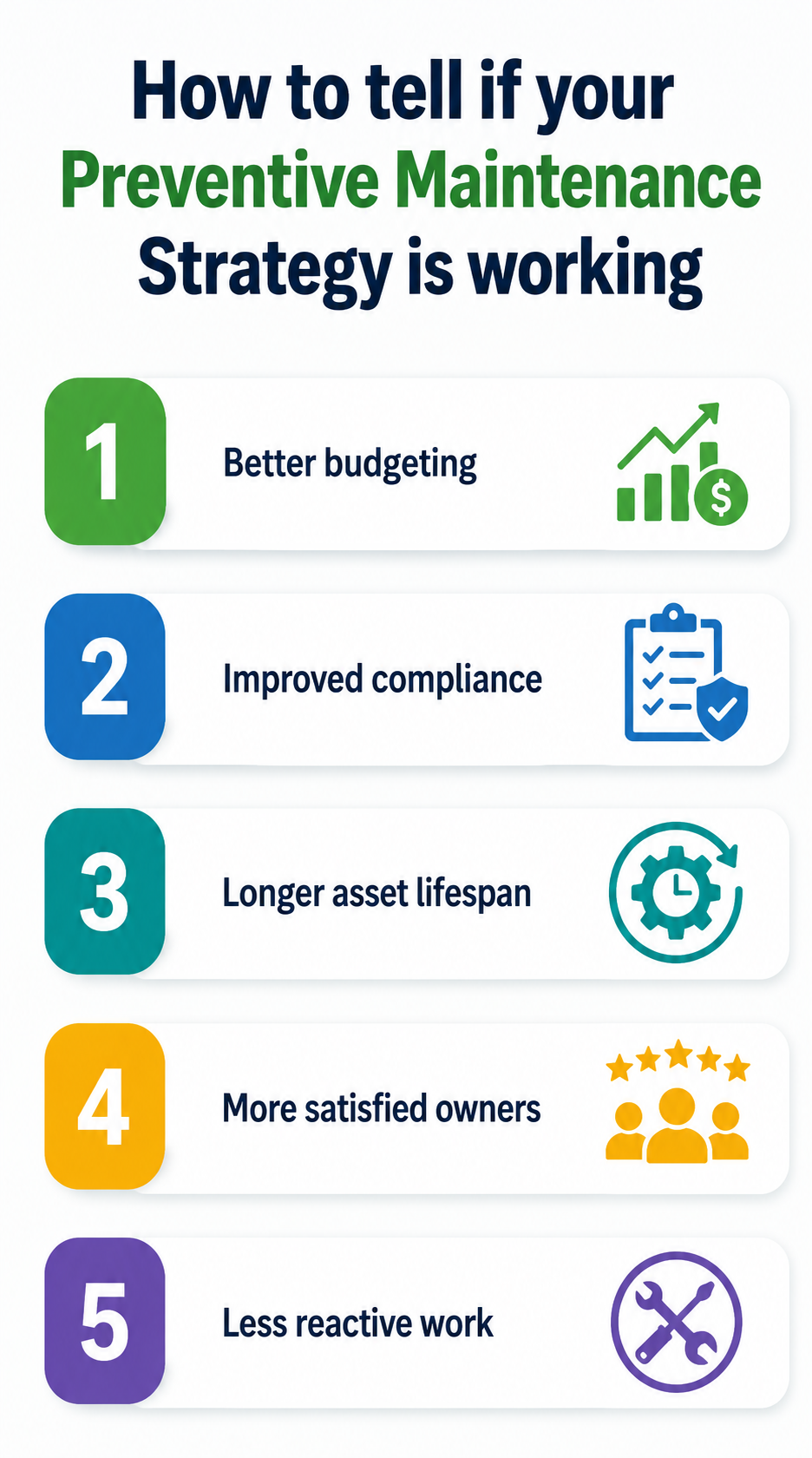
Monitoring these KPIs helps you assess whether your strategy is effective. If maintenance costs continue to rise or resident complaints increase, these indicators will prompt a review and adjustment of your maintenance plan to better meet property needs.
KPI | Purpose |
|---|---|
Mean Time Between Failures (MTBF) | Measures time between equipment failures |
Mean Time to Repair (MTTR) | Assesses repair speed and efficiency |
Why More Strata Managers Are Investing in Preventive Maintenance Software
The growing recognition of preventive maintenance software like i4T Maintenance as a strategic asset is driving more strata managers to invest in it. The software not only helps in reducing maintenance costs and extending asset life but also enhances resident satisfaction by maintaining a smooth operation of facilities.
With features such as scheduled maintenance, supplier management, and automated work orders, this software provides a comprehensive solution for effectively managing properties. It transforms the maintenance approach from reactive to proactive, ensuring a more stable and predictable management environment.
Schedule a demo today to explore how i4T Maintenance can streamline your operations and significantly reduce repeat repairs.
Frequently Asked Questions
By automating schedules and tracking asset histories, it prevents expensive breakdowns, reduces reactive repairs, and extends asset lifespan.
Yes, by ensuring timely repairs and maintaining high safety standards, resident satisfaction is significantly improved.
KPIs such as Mean Time Between Failures (MTBF) and Mean Time to Repair (MTTR) are essential for tracking maintenance efficiency.
Regular maintenance ensures safety compliance and operational readiness, preventing dangerous breakdowns or failures.
Lifts, fire systems, HVAC systems, electrical assets, pools, and common areas benefit greatly from preventive maintenance.